
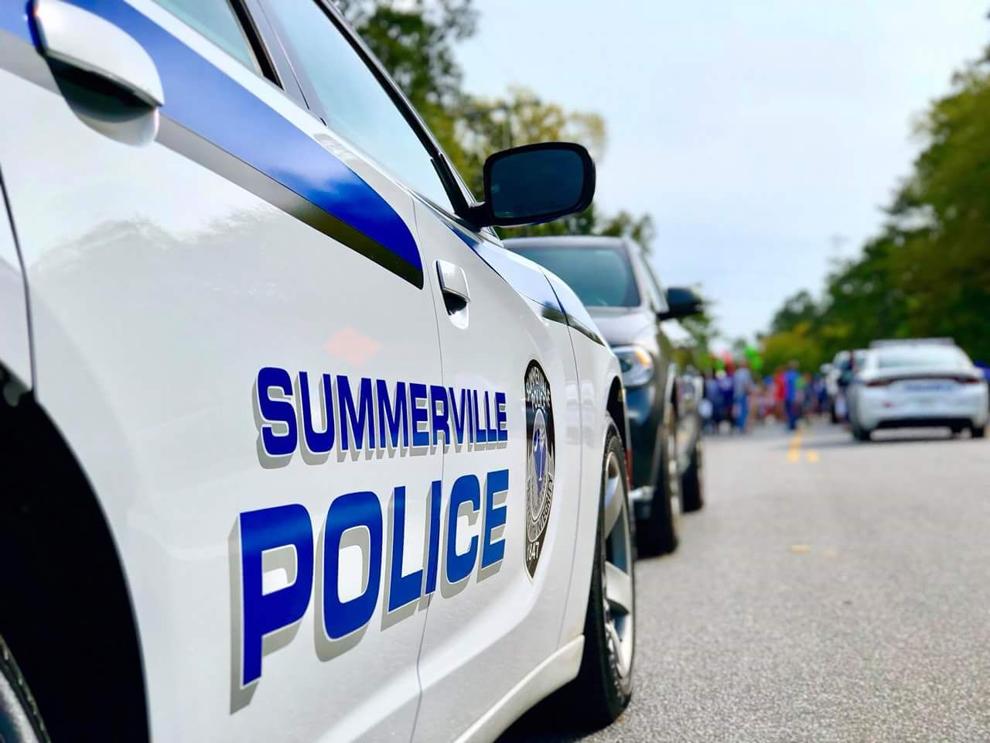
SUMMERVILLE, SC — The Knot Burger Pub is a Summerville staple, tucked under live oaks and known for good beer and familiar faces. Lately though, it’s been making headlines for something way bigger than the menu. All eyes turned to Dinah Marie Chollet, the pub’s co-owner, who until this week was caught in a legal mess that civil rights folks say looked a lot like government overreach—a loud warning to anyone thinking of backing local activists.
That’s all finished now. And not just with a win, but with the judge calling out the prosecution for wasting everyone’s time. In court, the judge tossed every charge against Chollet and made it clear: the police had no business arresting her for “contributing to the delinquency of a minor.” No real case—end of story.
But that was the final twist in a chaos that began with a high school protest and ended up asking a pretty wild question: Can you get thrown in jail just for supporting teenagers who want to speak up?
How It All Started
It all came crashing down in February 2026. Some students at Summerville High started planning a walkout to protest ICE’s immigration policies—a hot-button issue, anywhere. They kept the plans private on Instagram, figuring no one would find out.
They were wrong. A school resource officer managed to get inside the chat, secretly, using a fake account.
This is where Dinah Chollet showed up. Most people around town know her. She's the one always lending a hand, always showing up. When she joined the group chat, her supporters say she was just there to guide the kids through the complicated world of protests. But the police decided she was doing a lot more. They accused her of “emboldening” the students, saying her praise and support step right over the line into crime.
The Community Feels the Shock
Even after the walkout fizzled out—killed by safety concerns and the school’s pushback—the police didn’t back off. On February 18, they arrested Chollet.
The warrant claimed she encouraged “delinquent” behavior. Prosecutors pointed to heated chatter in the group, including threats against local media, and argued that even Chollet’s silence counted as helping a protest that never actually happened.
Suddenly, Chollet’s name was everywhere, especially on Facebook, and not in a good way. Critics called her a troublemaker. Police doubled down, saying they had to protect public order.
Standing Up for Free Speech
Chollet’s attorney, David Aylor, saw the whole thing differently. He said this wasn’t about protecting anyone—it was the authorities trying to control which opinions are acceptable.
“This is just the state picking winners and losers—deciding what kind of mentorship is okay, based on who’s talking,” Aylor told the court. He kept it simple: Chollet hadn’t encouraged violence or crime. She just supported teenagers using their constitutional rights.
The judge agreed. There was just no proof to back up the charges. When the judge dropped the case, he went further—he said Chollet never should’ve been arrested in the first place. What some called “delinquency,” the law calls speech and assembly. End of story.
The Fallout and What It Means
Chollet’s case is finished, but her supporters aren’t done talking about it. They’re still angry. They say the arrest itself did all the damage it needed to. It made business owners and local leaders take notice: if you speak up for a controversial cause, there’s a target on your back.
“The process IS the punishment,” one activist said on the courthouse steps. “They didn’t need a conviction. Just arresting her was enough to bruise her business and scare everyone off from helping these kids speak out.”
Despite everything, The Knot Burger Pub stayed open, and Chollet’s back at work. For the students at Summerville High, this turned into a different kind of lesson. They learned the state is always watching—but at least for now, the courts know the difference between a crime and a conversation.
The headlines have faded, but the lesson sticks: when free speech meets surveillance, there’s no easy answer. For Dinah Chollet, this was never about burgers. It was about reminding local kids they still have a voice. And this week, the court said it loud—speaking up isn’t a crime.